Ketchem Biotherapeutics Consulting LLC

ketchemconsulting.com

AbLead

Developability by Design

Antibody sequence and structure analysis to evaluate, rank order, and engineer biotherapeutics.
Identify stable, manufacturable candidates before you invest in the lab.

The Cost of Selecting the Wrong Lead

Pursuing a poorly behaving antibody is one of the most expensive mistakes in drug discovery.
Sequence and structural filtering minimizes this risk.

$11K-$16K Average daily out-of-pocket cost for the early development of a biotherapeutic lead candidate .
60% Phase 2 antibody candidates with developability issues .
$800K Lost value per day of delay due to poor developability .
"The cost of engineering an antibody at the discovery stage is significantly lower than the cost of optimizing process and formulation at the development stage ."
"Application of rank ordering and stability optimization is a proven method for antibody therapeutic design ."
Randal R. Ketchem, Ph.D.

Computational Analysis & Output

Fv Attributes

  • Germline: V-Gene identity and origin mapping.
  • Humanness: Log-likelihood scoring against 130M+ human sequences.
  • Numbering: IMGT/Kabat/Martin/AHo numbering assignment.
  • CDR Detection: IMGT/Chothia/Kabat/North CDR region detection.
  • Alignment: Numbering system-based alignments for direct residue comparisons.
  • Clading: Ensure sequence diversity amongst lead candidates.

Lead Selection

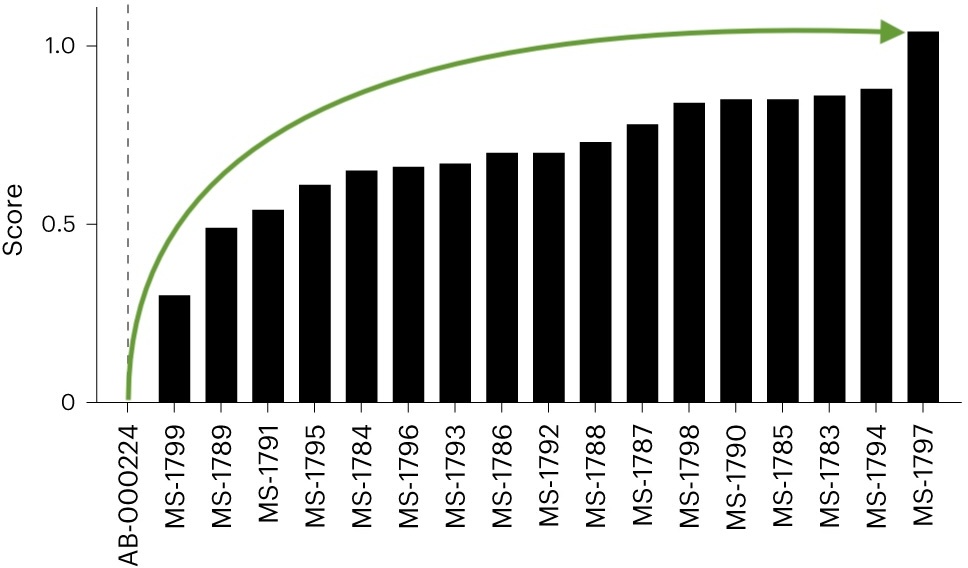
  • KBC Score: Aggregate developability score weighted by severity allows for cross-trait rank ordering and targeted lead selection.
  • Optimization Engineering: Detailed per residue liabilities allows for targeted optimization designs.
  • MOE Liability Mapping: Export of CCG MOE SVL files quickly indicates liability positions on the antibody structure.
  • Assembler: Assemble new antibody modalities across multiple Fv regions simultaneously.

Liability Scanning

  • Chemical Liabilities: Deamidation, Isomerization, Oxidation (Met/Trp), N-GLyc, Hydrolysis, Fragmentation .
  • Structure Display: In-browser display of liabilities on structure model.
  • Isoelectric Point: Avoid serum pH instability and select for optimal formulation.
  • Physical Properties: Evaulation of physical properties for lead panels.
  • Positional Analysis: Evaluation of per-residue positional frequencies by germline and LLM likelihoods to aid engineering selections.

Structural Stability

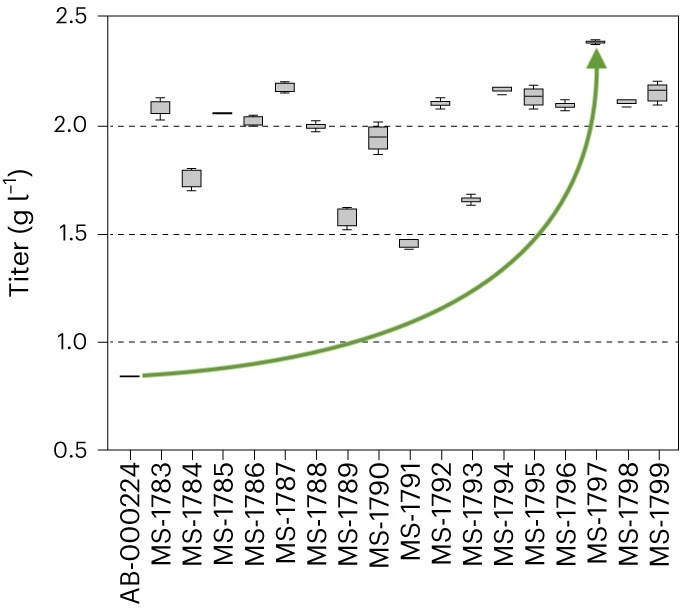
  • AbLang & AbLang2: Machine learning-based likelihood scores (Full Fv & Framework) predict potential impacts to stability such as titer, yield, aggregation, particulation, low pH stability, and more.
  • Cysteine Analysis: Identification of unpaired, missing, or unusual cysteines, ensuring stable fold and disulfide pairing.
  • Stability Motifs: Disrupted HC-CDR3 Salt Bridge, which have been shown to impact HC-CDR3 stability and efficacy .

Surface Properties

  • Surface Hydrophobicity (SPH): Aggregation propensity, stickyness risk for column selection and potential polyreactivity.
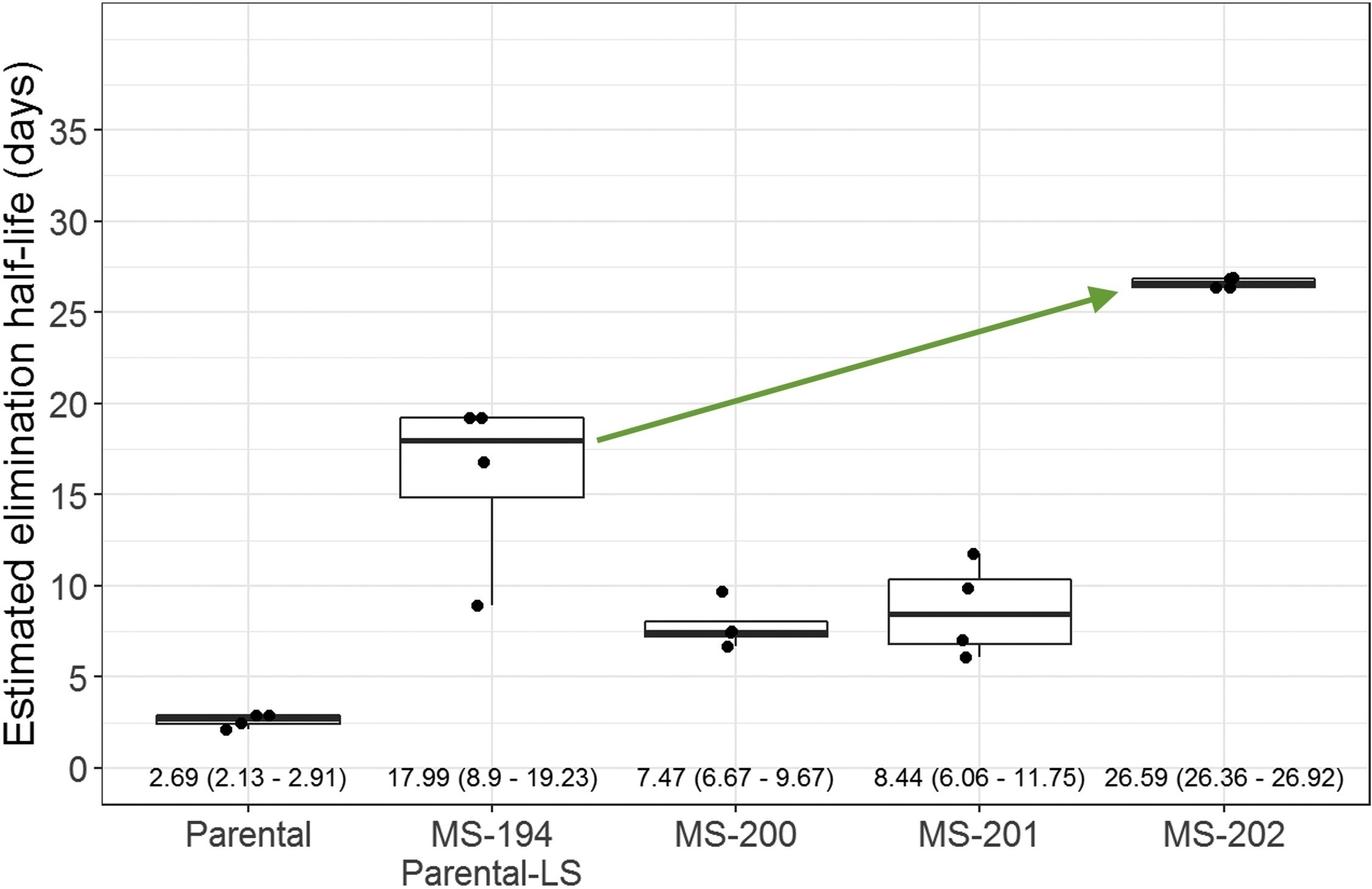
  • Positive Charge Patches (SPP): Potential for faster clearance rates, potential polyreactivity.
  • Negative Charge Patches (SPN): Potential for high viscosity, potential polyreactivity.
  • Fv Charge Dipole (SPCD): Potential for high viscosity.

Fv Optimization

  • Stability Violation Repair: Stability may impact titer, yield, aggregation, particulation, low pH stability, and more.
  • PTM Liability Repair: Stress and storage may impact PTM formation, leading to potential loss of efficacy.
  • Missing or Unusual Cysteine Repair: Free cysteines can for cross-chain disulfides for undesired pairings.
  • Surface Repair: Surfaces may be repaired while seeking to limit the introduction of instabilities or PTMs.
  • Humanization: Germline template humanization allows for discovery in alternate species.
  • Observations: Record past IMGT-positioned residue observations to aid lead selection and optimization engineering based on previous experiments.

Sample Application Screenshots

References